
Chengdu: Full Smoking Ban from May 1st 2026
• To reduce second-hand smoke exposure across the city, authorities in Chengdu have unveiled a new plan to further tighten tobacco control in 2026.
• From May 1st, indoor smoking areas will no longer be permitted in principle. This covers shopping malls, supermarkets, restaurants, bars, internet cafés, KTVs, cinemas, gyms, schools, libraries, museums, medical facilities, office buildings, workspaces, meeting rooms, government service halls, banks, and hotel lobbies.
• The additonal list of no-smoking premises is extensive:
– All public transport vehicles are completely smoke-free: buses, subways, taxis, ride-hailing cars, long-distance coaches, trains, ships, and aircraft.
– Indoor waiting zones are also restricted: airport terminals, railway and bus station halls, plus connected corridors, stairwells, elevators, and public restrooms.
On April 1, 2026, the 26th meeting of the Standing Committee of the 14th Sichuan Provincial People’s Congress voted to adopt the newly revised Regulations on Tobacco Monopoly of Sichuan Province. First fully revised in over 20 years, the regulation will officially come into force on May 1. All indoor public spaces will basically implement a full smoking ban.
Previously, smoking in restaurant private rooms, internet café corners, or even elevators would only draw disapproving glances or verbal reminders from staff. After May 1, all such acts carry explicit legal fines. Individuals who smoke in no-smoking areas and refuse to stop when advised shall be ordered to correct their behavior and pay a fine.
According to legal interpretations and past enforcement in Chengdu and other cities, basic fines start at 50 to 200 yuan. For serious violations such as smoking near schools, hospitals, and other areas with concentrated minors or patients, fines can exceed 1,000 yuan.
Accordingly, the new regulation formally includes e-cigarettes and other novel tobacco products under official supervision, applying the same rules as traditional cigarettes. This means smoking e-cigarettes in restricted areas incurs identical penalties to smoking ordinary cigarettes.
It also bans the illegal production and sale of tobacco-like products including hollow cigarette tubes, herbal cigarettes, and flower-flavored cigarettes, as well as portable cigarette-making devices.
Certain protected zones enforce total indoor and outdoor smoking bans, including nurseries, kindergartens, primary and secondary schools, children’s activity centers and their surrounding areas, as well as outdoor medical zones, waiting areas, and rehabilitation areas at hospitals.
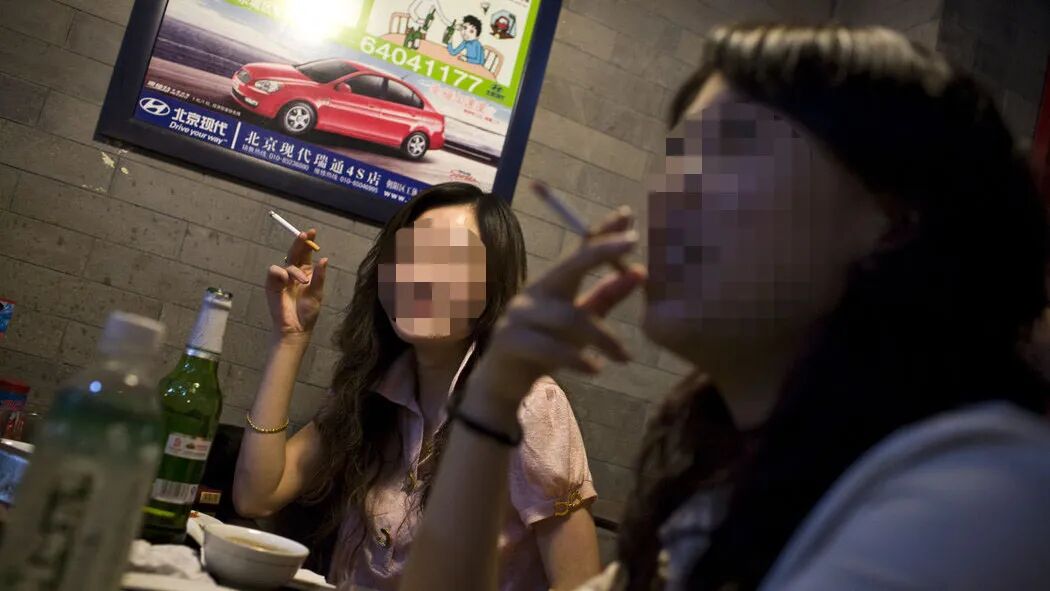
Penalties apply not only to smokers.
Venue operators and managers will also be fined if they fail to establish tobacco control rules, display clear no-smoking signs, or intervene when people smoke on their premises. Under existing provincial public health measures, non-compliant venues may receive warnings or fines of up to 10,000 yuan.
For non-smoking residents, the regulation grants clearer legal rights.
Any individual has the right to ask smokers in no-smoking areas to put out their cigarettes, demand that venue operators and managers fulfill their obligation to intervene, and report such violations through official channels. Complaints and reports can be submitted via the province’s unified government service hotline: 12345.
There is a common misunderstanding that e-cigarettes and herbal tea cigarettes are not regulated. The regulation explicitly states that e-cigarettes and other novel tobacco products are governed by the same rules that apply to conventional cigarettes.
Another misconception is that businesses are fully compliant as long as they display no-smoking signs. If venue managers fail to effectively stop smoking on their premises — especially in areas frequented by minors — they may face fines ranging from 3,000 to 10,000 yuan.
Source: Tencent News 腾讯新闻