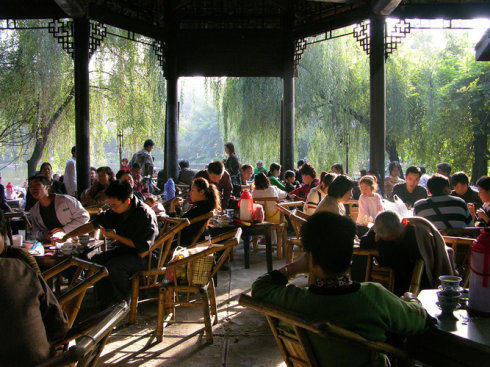

Best Tourist Attractions in Chengdu
Chengdu offers something for every traveller. Explore world-famous giant pandas, ancient temples, lively shopping streets and historic cultural landmarks. Whether you’re staying for a few days or longer, you’ll find plenty to explore. Chengdu combines history, excellent food, modern attractions and a relaxed lifestyle.
This guide introduces some of the best tourist attractions in Chengdu. It includes famous landmarks, cultural sites and local favourites that deserve a place on your itinerary. Before setting out, it’s always a good idea to check the latest opening hours and ticket information, especially during weekends and public holidays. After exploring the city, don’t forget to sample Chengdu’s famous local cuisine to complete your experience.
After a day of exploring, why not also check out some of the must-eat dishes in Chengdu to complete your experience?
People’s Park 人民公园
People’s Park is one of Chengdu’s most popular public spaces and one of the best places to experience the city’s relaxed lifestyle. People’s Park opened in 1911 as Shaocheng Park. It was Chengdu’s first public park and remains a favourite meeting place for locals and visitors.
The park is located in the heart of Chengdu. It covers more than 112,000 square metres and features peaceful gardens, an artificial lake, traditional teahouses and shaded walking paths. Visitors can hire a rowing boat. They can also watch locals practise tai chi, dance, play chess or write calligraphy using water brushes. It’s an excellent place to slow down and enjoy everyday life in Chengdu.
One of the park’s highlights is the historic Heming Teahouse (鹤鸣茶馆). Here, visitors can enjoy traditional Sichuan tea while experiencing Chengdu’s famous tea culture. Don’t miss the Railway Protection Movement Monument, an important landmark that commemorates a significant event in Sichuan’s modern history.
Address:
No. 9 Citang Street, Qingyang District, Chengdu
成都市青羊区祠堂街9号
Metro:
Metro Line 2 – People’s Park Station (Exit B)
Approximately 400 metres on foot.
Entrance:
Free
Opening Hours
Daily: 6:00 AM – 10:00 PM
Travel Tip
Visit in the early morning to watch local residents exercising or practising tai chi, or come in the afternoon to experience Chengdu’s famous tea culture at Heming Teahouse. Weekdays are generally quieter than weekends.
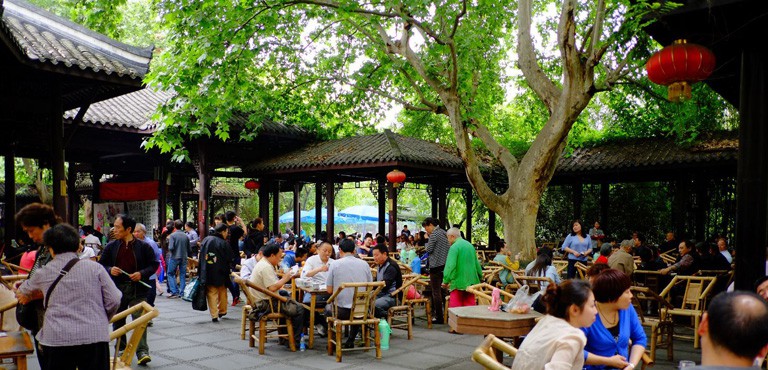
Chengdu Research Base of Giant Panda Breeding 成都大熊猫繁育研究基地
No visit to Chengdu is complete without seeing its world-famous giant pandas. The Chengdu Research Base of Giant Panda Breeding is one of the city’s most popular attractions and plays an important role in the conservation, breeding and research of giant pandas and other endangered species.
Originally opened to the public in 1988, the base has grown into one of the world’s leading panda conservation centres. Following its major expansion, the base now features larger panda habitats, wider walking trails and improved visitor facilities. As a result, visitors enjoy a better experience. The animals also benefit from a more natural environment.
Besides giant pandas, the base is home to red pandas and educational exhibitions. It also introduces visitors to China’s wildlife conservation efforts. Pandas are most active in the early morning. Therefore, visiting before 9:00 AM gives you the best chance to see them eating and playing.
Address
North Entrance
No. 1375 Panda Avenue, Chenghua District, Chengdu
成都市成华区熊猫大道1375号
South Entrance
No. 26 Panda Avenue, Chenghua District, Chengdu
成都市成华区熊猫大道26号
Metro
Metro Line 3 – Panda Avenue Station
(From the station, visitors can take a shuttle bus or taxi to either entrance.)
Entrance
Adults: 55 RMB
Children/Students: 27 RMB (with valid identification)
(Advance online reservations are recommended, especially during weekends, public holidays and school holidays)
Opening Hours
Daily: 7:30 AM – 6:00 PM
(Last admission: 5:00 PM)
Travel Tip
Arrive before 9:00 AM if possible, as giant pandas are most active in the morning. Wear comfortable walking shoes, as the base is large and can easily take 3–5 hours to explore.

Wide & Narrow Alleys 宽窄巷子
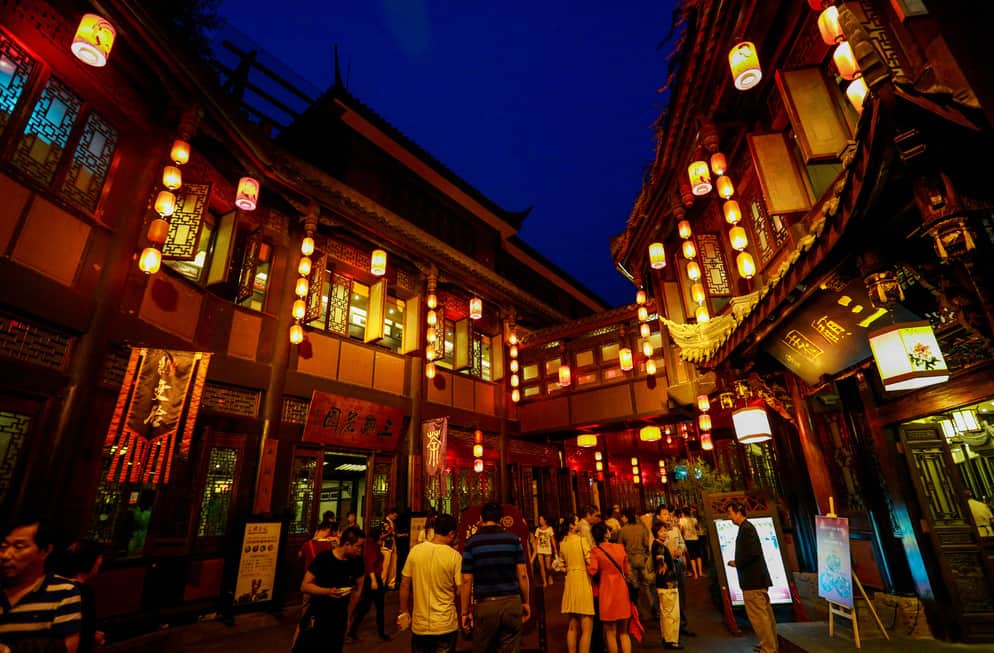
Wide & Narrow Alleys, also known as Kuanzhai Alley, is one of Chengdu’s most famous historic districts. The area includes Kuan Alley, Zhai Alley and Jing Alley. Together, they combine traditional architecture with modern cafés, restaurants and boutique shops.
Originally built during the Qing Dynasty, the area is famous for its grey-brick courtyard houses, stone-paved streets and traditional western Sichuan architecture. Today, visitors can browse local craft shops, relax in traditional teahouses, sample Sichuan snacks or watch live cultural performances throughout the day.
The alleys are lively throughout the day. However, they become even more attractive after sunset, when the buildings are illuminated and the streets fill with locals and visitors. It’s also one of the best places in Chengdu to buy souvenirs or simply wander without a fixed plan.
Address
Wide & Narrow Alleys Scenic Area, Qingyang District, Chengdu
成都市青羊区宽窄巷子景区
Metro
Metro Line 4 – Kuanzhai Alley Station (Exit B)
(The main entrance is only a short walk from the station.)
Entrance
Free
Opening Hours
The scenic area is open all day, although individual shops, cafés and restaurants have their own operating hours.
Travel Tip
Visit in the late afternoon and stay until the evening to experience the area in both daylight and after dark. While the main streets can become busy, exploring the smaller side alleys often reveals quieter cafés, local shops and hidden courtyards.

Qing Yang Temple 青羊宫
Qing Yang Temple, also called Qingyang Palace, is one of southwest China’s oldest Taoist temples. The temple has a history of more than 1,000 years. Today, it offers visitors a peaceful retreat from the busy city.
One of the temple’s most famous features is the pair of Bronze Goat statues near the entrance. According to local tradition, touching different parts of the statues is believed to bring good health and good fortune. Another highlight is the Eight Trigrams Pavilion (Bagua Pavilion), one of the finest examples of Taoist architecture in Chengdu.
In addition, the temple complex includes quiet courtyards, beautiful gardens, a traditional teahouse and a vegetarian restaurant. Whether you’re interested in history, religion or architecture, Qing Yang Temple is a relaxing place to spend a few hours exploring.
Address
No. 9, First Ring Road West Section 2, Qingyang District, Chengdu
成都市青羊区一环路西二段9号
Metro
Metro Line 5 – Qingyang Palace Station (Exit B)
(The temple is also within walking distance of Du Fu Thatched Cottage.)
Entrance
Adults: 10 RMB
Students: 5 RMB (with valid student ID)
Children under 1.2 metres and visitors aged 60 and above: Free
Opening Hours
Daily: 8:00 AM – 5:30 PM
Travel Tip
Plan to visit Qing Yang Temple together with Du Fu Thatched Cottage and Huanhuaxi Park, as all three attractions are located within the same area and can easily be explored in one trip.
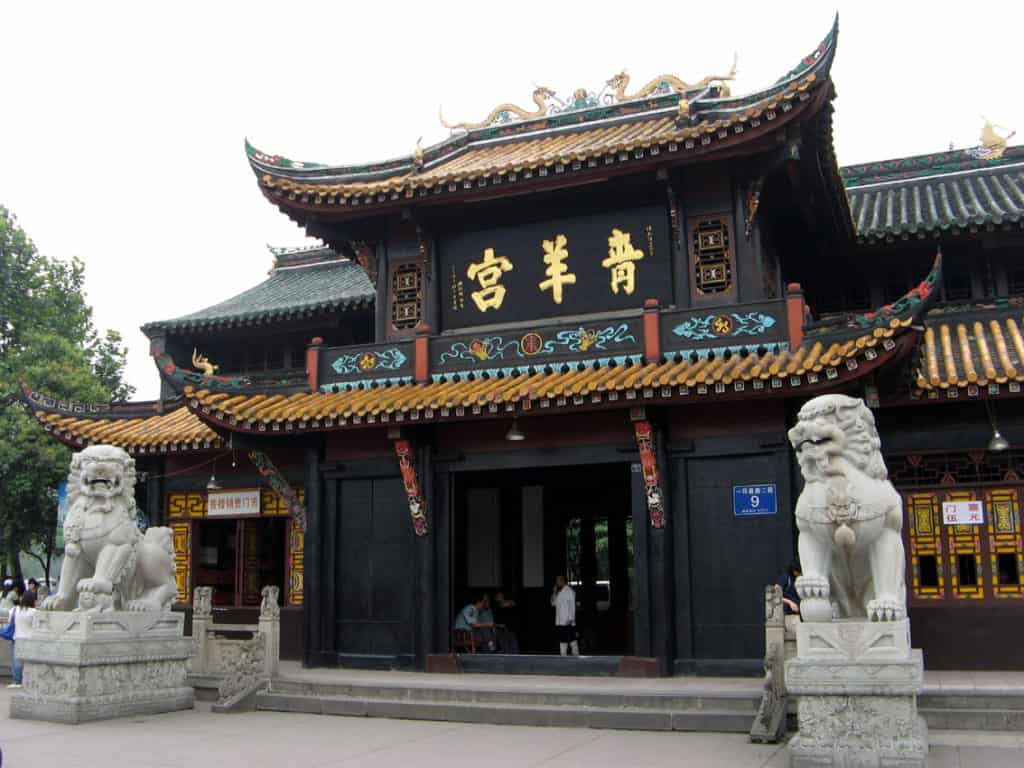
Du Fu’s Thatched Cottage 杜甫草堂
Du Fu Thatched Cottage is one of Chengdu’s most treasured cultural landmarks and a must-visit destination for anyone interested in Chinese literature and history. It commemorates Du Fu (712–770), one of China’s greatest poets, who lived here for nearly four years during the Tang Dynasty.
Although the original cottage no longer exists, the site has been carefully restored to reflect the peaceful environment where Du Fu wrote more than 240 poems. Today, the museum covers more than 200,000 square metres. Visitors can explore traditional gardens, bamboo groves, ponds, exhibition halls and reconstructed buildings inspired by the poet’s former home.
Walking through the grounds offers a quiet escape from the city. At the same time, visitors gain a deeper understanding of Du Fu’s life and literary achievements. The museum regularly hosts cultural exhibitions and educational activities. As a result, it appeals to both history enthusiasts and casual travellers.
Address
No. 38 Qinghua Road, Qingyang District, Chengdu
成都市青羊区青华路38号
Metro
Metro Line 4 – Caotang North Road Station
(From the station, the museum is around a 10–15 minute walk.)
Entrance
Adults: 50 RMB
Students and Children: 25 RMB (with valid identification)
Opening Hours
Daily: 9:00 AM – 6:00 PM
(Last admission: 5:00 PM)
Travel Tip
Combine your visit with Qing Yang Temple, Huanhuaxi Park or the Sichuan Museum, as all three attractions are located nearby. Spring and autumn are especially beautiful, when the gardens are at their best and the weather is ideal for walking.
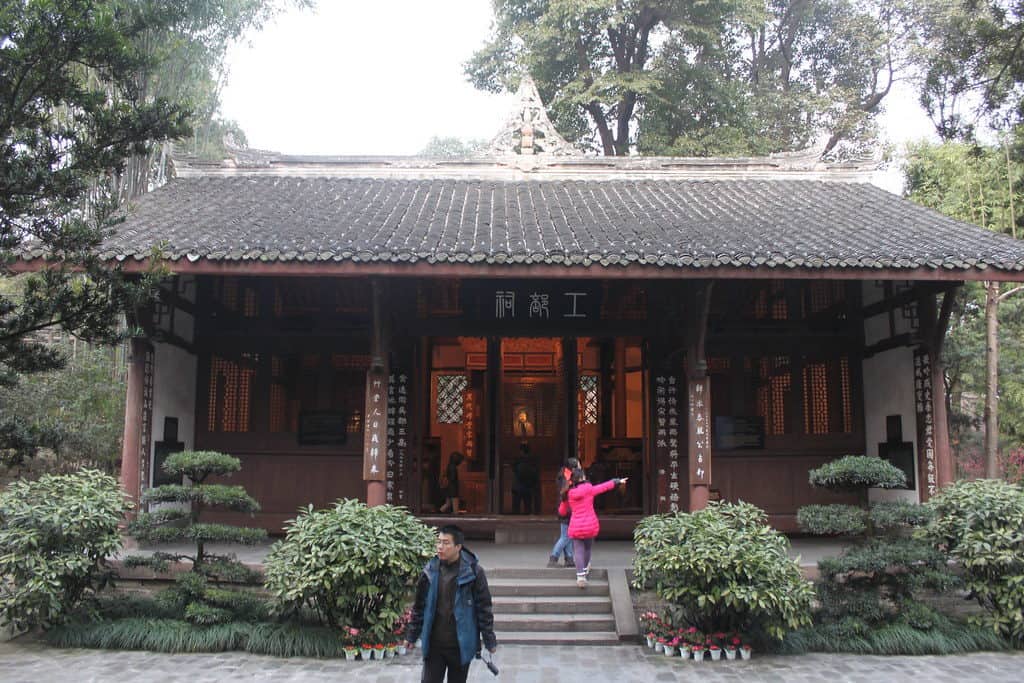
Shufeng Yayun Sichuan Opera 蜀风雅韵川剧院
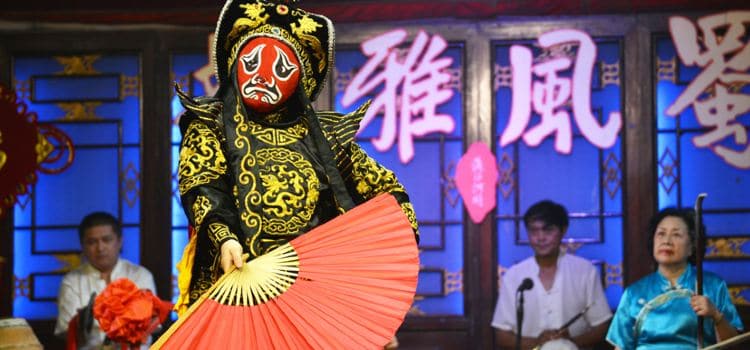
Watching a Sichuan Opera performance is one of the most memorable cultural experiences in Chengdu. Shufeng Yayun Sichuan Opera is among the city’s best-known venues, presenting traditional performances that combine music, dance, folk arts, comedy and the famous Bian Lian (Face-Changing) technique.
The 90-minute show includes shadow puppetry, hand-shadow performances, fire-spitting and traditional acrobatics. As a result, visitors experience several forms of Sichuan performing arts in one show. Even if you don’t understand Chinese, you’ll still enjoy the colourful costumes, live music and visual performances.
Guests can arrive before the performance to enjoy a cup of traditional Sichuan tea or explore the theatre’s cultural displays. Premium ticket options are also available for those who prefer seats closer to the stage.
Address
No. 132 Qintai Road, Qingyang District, Chengdu
成都市青羊区琴台路132号
Metro
Metro Line 2 – Tonghuimen Station (Exit A)
(The theater is approximately 5 minutes’ walk from the station.)
Entrance
Standard Tickets: From 120 RMB
Premium Tickets: Up to 240 RMB, depending on seating and package options.
Opening Hours
Ticket Office: 6:00 PM – 8:00 PM
Entry: From 7:00 PM
Performance: 8:00 PM – 9:30 PM
Travel Tip
Arrive at least 30 minutes before the performance to collect your tickets and enjoy a traditional cup of Sichuan tea before the show begins. Booking in advance is recommended during weekends and public holidays.
Wuhou Shrine Museum 武侯祠
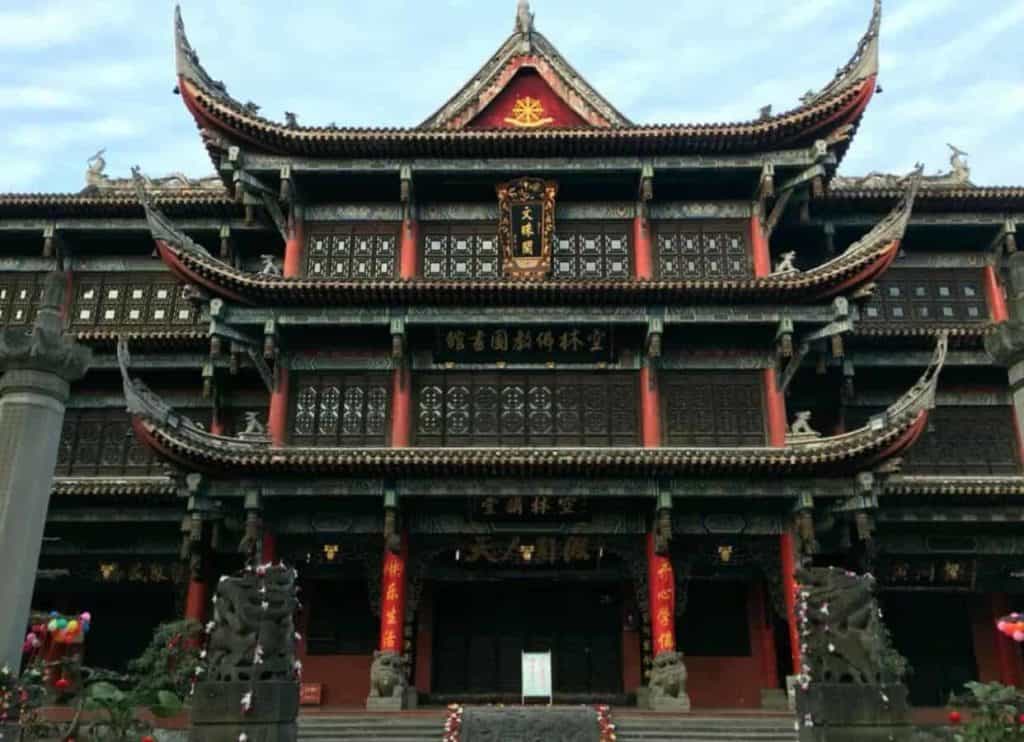
Wuhou Shrine Museum is one of Chengdu’s most important historical attractions and the best place to learn about the Three Kingdoms period (220–280 AD). Dedicated to Liu Bei, the founding emperor of the Shu Kingdom, and his legendary strategist Zhuge Liang, it is the only temple in China where a ruler and his minister are honoured together.
The museum combines traditional architecture, peaceful gardens and centuries of history. Together, these features create one of Chengdu’s finest heritage sites. As you explore the grounds, you’ll pass historic halls, ancient cypress trees, stone inscriptions and the famous Red Wall, one of Chengdu’s most photographed landmarks. Right next to the museum is Jinli Ancient Street, making it easy to visit both attractions on the same trip.
Whether you’re interested in Chinese history or simply looking for a peaceful place to explore, Wuhou Shrine offers a fascinating insight into one of the country’s most celebrated historical periods.
Address
No. 231 Wuhouci Street, Wuhou District, Chengdu
成都市武侯区武侯祠大街231号
Metro
Metro Line 3 or Line 5 – Gaoshengqiao Station
The museum is around a 10-minute walk from the station.
Entrance
Adults: 50 RMB
Students and eligible seniors: 25 RMB (with valid identification)
Opening Hours
Daily: 9:00 AM – 6:00 PM
Last admission: 5:00 PM
(Opening hours may be extended during major holidays and special events.)
Travel Tip
Plan to visit Wuhou Shrine Museum and Jinli Ancient Street together, as they are located next to each other. Arriving in the late afternoon allows you to explore the museum before enjoying Jinli’s lively atmosphere after dark.
Jinsha Site Museum 金沙遗址博物馆
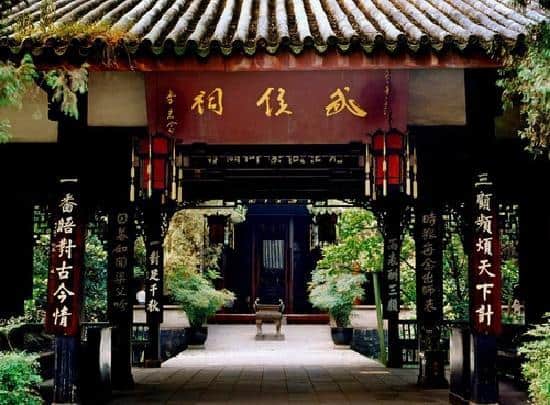
Jinsha Site Museum is one of Chengdu’s most important archaeological attractions and offers a fascinating insight into the ancient Shu civilisation. Discovered in 2001 during a construction project, the site revealed thousands of priceless artefacts, including gold, jade, bronze, stone carvings, ivory and pottery dating back more than 3,000 years.
Today, the museum is recognised as one of China’s leading archaeological museums. Its modern exhibition halls display many of the discoveries found at the site, including the famous Golden Sun Bird, which was adopted as the symbol of China’s cultural heritage in 2005. Visitors can also explore the preserved excavation area, providing a rare opportunity to see where many of these remarkable artefacts were uncovered.
Temporary Closure Notice
Please note: Jinsha Site Museum is temporarily closed from 5 December 2025 to 30 April 2027 for renovation and exhibition upgrades. Visitors planning a trip during this period should consider visiting the nearby Sanxingdui Museum, which explores the earlier history of the ancient Shu civilisation.
Address
No. 2 Jinsha Site Road, Qingyang District, Chengdu
成都市青羊区金沙遗址路2号
Metro
Metro Line 7 – Jinsha Site Museum Station (Exit C)
The main entrance is only a short walk from the station.
Entrance
Adults: 70 RMB
Students and eligible children: 35 RMB (with valid identification)
Opening Hours
The museum is temporarily closed for renovation until 30 April 2027. Please check the official website before planning your visit.
Travel Tip
Once the museum reopens, allow around 2–3 hours to explore both the exhibition halls and the archaeological site. If you’re interested in ancient Shu history, combining your visit with Sanxingdui Museum provides a more complete understanding of this remarkable civilisation.
Wenshu Monastery 文殊院
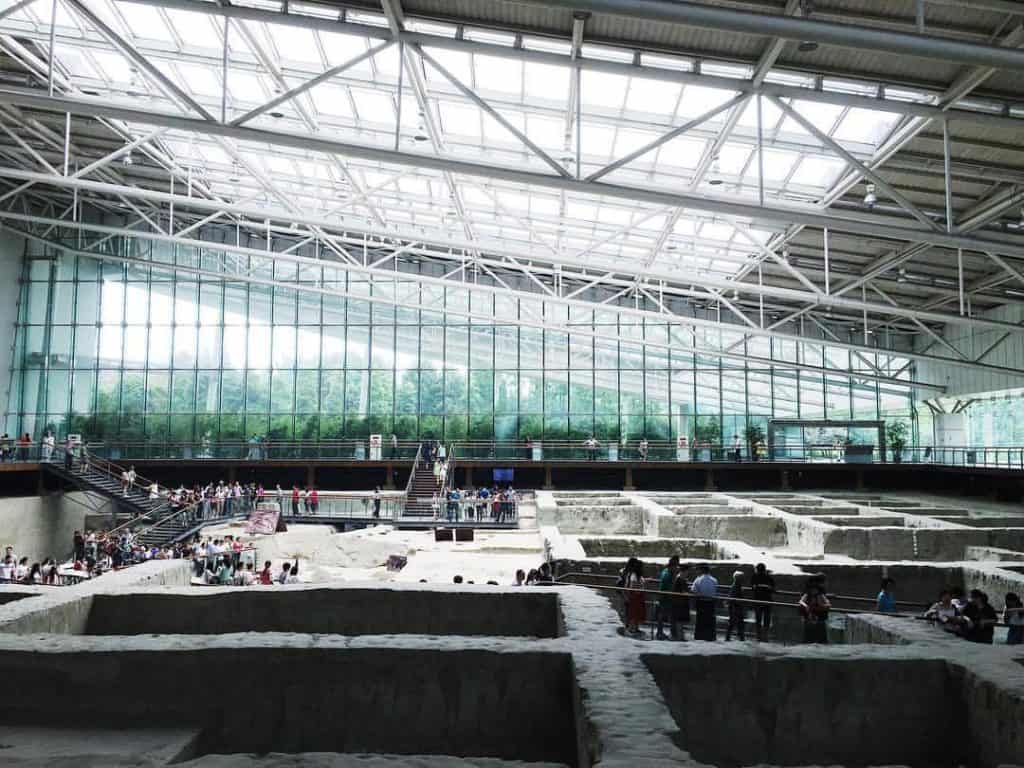
Wenshu Monastery is the largest and best-preserved Buddhist temple in central Chengdu. Originally built during the Tang Dynasty (618–907), it has remained an important place of worship for centuries and is dedicated to Manjushri (Wenshu), the Bodhisattva of Wisdom.
Today, the monastery offers a peaceful escape from the city’s busy streets. In addition, it provides visitors with an opportunity to experience traditional Buddhist culture. Visitors can explore beautifully preserved temple halls, quiet courtyards, traditional gardens and centuries-old Buddhist architecture.
The complex also houses more than 500 paintings, calligraphy works and cultural relics. As a result, it has become one of Chengdu’s most important cultural landmarks. After exploring the monastery, many visitors stop at the popular vegetarian restaurant or relax with a cup of tea in the traditional teahouse nearby.
Address
No. 66 Wenshuyuan Street, Qingyang District, Chengdu
成都市青羊区文殊院街66号
Metro
Metro Line 1 – Wenshu Monastery Station (Exit K)
The monastery is approximately 5 minutes’ walk from the station.
Entrance
Free
Opening Hours
Daily: 8:00 AM – 5:00 PM
(Last admission: 4:30 PM)
Travel Tip
Visit in the morning for a quieter atmosphere and take time to explore Wenshufang, the traditional cultural district just outside the monastery. It’s a great place to enjoy local snacks, browse souvenir shops and experience Chengdu’s relaxed way of life.
Tibetan Neighbourhood 西藏街区
Often referred to as “Little Lhasa”, Chengdu’s Tibetan Neighbourhood offers a unique glimpse into Tibetan culture without leaving the city. Located close to Wuhou Shrine and Jinli Ancient Street, this vibrant area has long been a gathering place for Tibetan communities, travellers and pilgrims heading to or returning from Tibet.
Walking through the neighbourhood, you’ll find shops selling prayer flags, handmade jewellery, traditional Tibetan clothing, Buddhist artefacts and locally crafted souvenirs. The area is also well known for its authentic Tibetan restaurants, where visitors can try specialities such as yak dishes, Tibetan butter tea and homemade yoghurt.
Unlike many of Chengdu’s traditional attractions, the Tibetan Neighbourhood offers a different cultural experience. Here, visitors can enjoy authentic Tibetan food, shopping and local culture.
Address
Wuhou Temple Cross Street, Wuhou District, Chengdu
成都市武侯区武侯祠横街
Metro
Metro Line 3 or Line 5 – Gaoshengqiao Station
The neighbourhood is around a 5–10 minute walk from the station.
Entrance
Free
Opening Hours
The neighbourhood is open all day, although individual shops, cafés and restaurants have their own operating hours.
Travel Tip
Visit during the afternoon or early evening, when most shops and restaurants are open. Many visitors combine the Tibetan Neighbourhood with Wuhou Shrine Museum and Jinli Ancient Street, as all three attractions are within walking distance of each other.
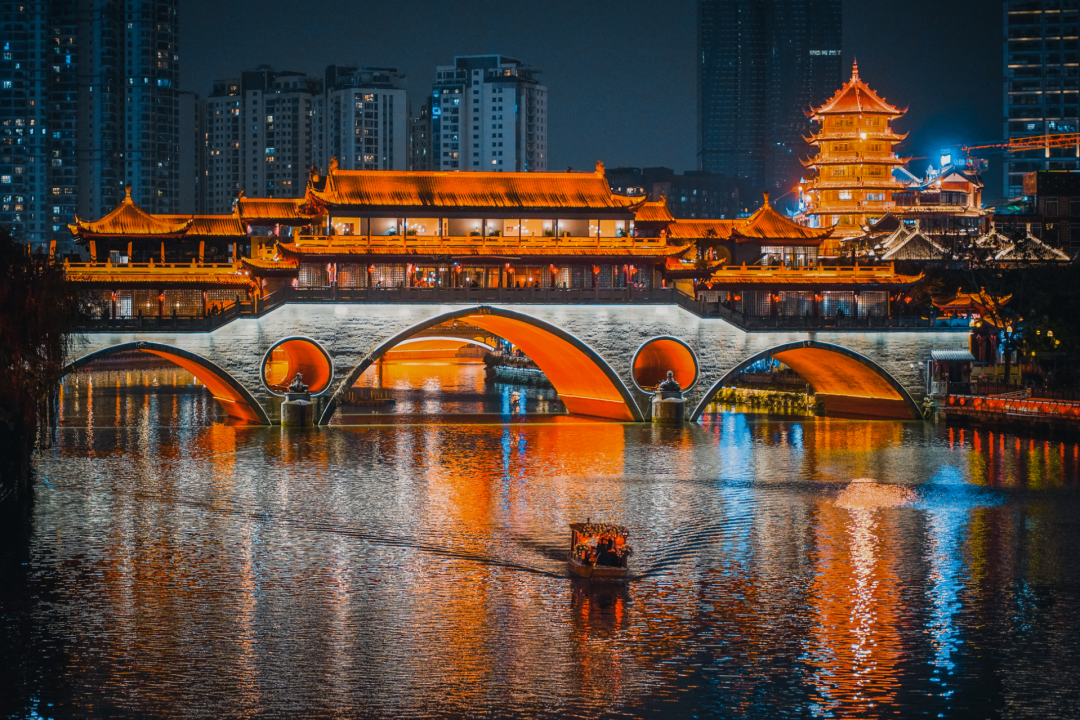
Anshun Bridge 安顺廊桥
Anshun Bridge is one of Chengdu’s most recognisable landmarks and one of the best places to enjoy the city’s evening scenery. Spanning the Jinjiang River, the bridge combines traditional Chinese architecture with modern engineering and is especially beautiful after sunset, when its golden lights are reflected on the water.
Originally built during the Yuan Dynasty, the historic bridge was destroyed by flooding and later rebuilt in its current form. Today, it is a popular meeting point for both locals and visitors. It also offers excellent views of the river and the surrounding skyline. The elegant pavilion on the bridge also houses restaurants and cafés, making it a pleasant place to stop for dinner or a drink while enjoying the view.
The area around Anshun Bridge becomes especially lively in the evening. In addition, riverside walking paths, cafés and nearby Jiuyan Bridge make it a great place for an evening stroll. Whether you’re interested in photography or simply want a relaxing evening walk, this is one of the city’s most picturesque locations.
Address
No. 66 Binjiang East Road, Jinjiang District, Chengdu
成都市锦江区滨江东路66号
Metro
Metro Line 2 or Line 6 – Niuwangmiao Station
The bridge is around a 10-minute walk from the station.
Entrance
Free
Opening Hours
The bridge is open 24 hours a day.
Travel Tip
Visit just before sunset and stay into the evening to enjoy both daylight and the illuminated night views. After crossing the bridge, take a stroll towards Jiuyan Bridge or the nearby riverside bars and cafés for one of Chengdu’s most vibrant evening experiences.
Eastern Suburb Memory 东郊记忆
Eastern Suburb Memory is one of Chengdu’s most distinctive cultural and creative districts. Once part of the former Hongguang Valve Factory, this industrial complex has been transformed into a vibrant destination where historic factory buildings stand alongside modern art, live music venues, cafés and creative studios.
Many of the original workshops, railway tracks and industrial structures have been carefully preserved. As a result, the district successfully combines Chengdu’s industrial heritage with modern creativity. Today, visitors can explore art galleries, photography exhibitions, designer shops, restaurants and event spaces, while regular concerts, cultural festivals and pop-up markets bring new energy to the district throughout the year.
Eastern Suburb Memory offers a more contemporary side of Chengdu. Today, it is a favourite destination for photographers, artists and young travellers. Whether you’re interested in industrial heritage, street photography or simply looking for a different side of Chengdu, it’s well worth adding to your itinerary.
Address
No. 4, Middle Section of South Jianshe Road, Chenghua District, Chengdu
成都市成华区建设南路中段4号
Metro
Metro Line 8 – Dongjiao Memory Station (Exit B)
The main entrance is only a short walk from the station.
Entrance
Free
(Some exhibitions, concerts and special events may require separate tickets.)
Opening Hours
The district is open daily, although individual cafés, galleries, shops and event venues have their own operating hours.
Travel Tip
Visit in the late afternoon and stay into the evening, when many cafés, restaurants and live music venues become more lively. If you enjoy photography, the combination of historic industrial architecture and modern street art makes this one of Chengdu’s best locations for creative photos.

Final Tips for Visiting Chengdu
Chengdu blends ancient history, traditional culture and modern life. From meeting giant pandas and exploring centuries-old temples to discovering creative districts and relaxing in traditional teahouses, there’s something for every traveller.
Many of Chengdu’s most popular attractions are easy to reach by metro. As a result, you can visit several places in a single day. If you’re visiting during weekends, public holidays or the summer travel season, consider booking tickets in advance for attractions such as the Chengdu Research Base of Giant Panda Breeding and Shufeng Yayun Sichuan Opera.
Before traveling, always check the latest opening hours, ticket prices and reservation requirements. These may change during holidays and special events. For the latest updates, visit Chengdu Expat before your trip.
Have a favourite place in Chengdu that isn’t on our list? We’d love to hear your recommendations in the comments below.




Pingback:Andaman Village, A New Place to Escape The City | Chengdu-Expat.com
Pingback:Chengdu Travel Guide: Useful Information | Chengdu-Expat.com
We spent three days in Chengdu, and your website was extremely helpful! Thank you very much for the practical and accurate information.